
Skip navigation

Our origin story

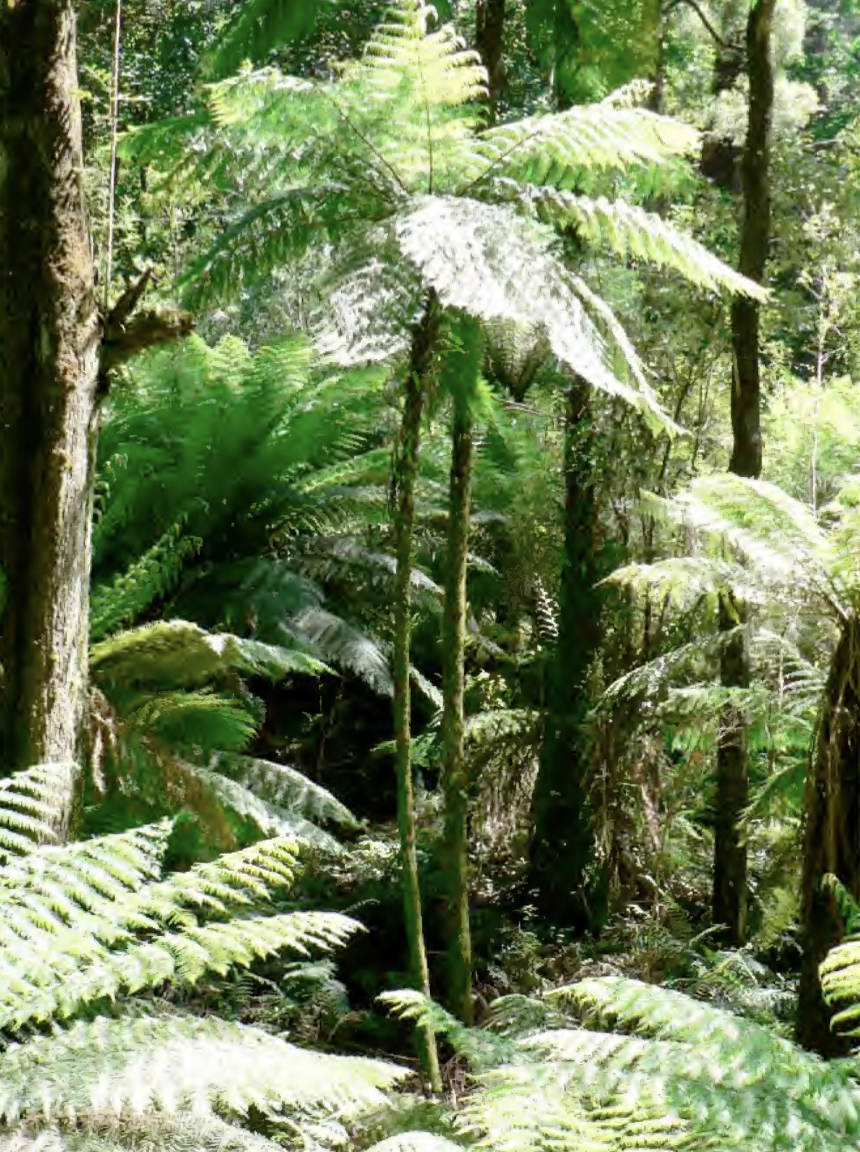
...  A very tall, very fragile, very rare tree-fern

All stories have a beginning.  

For us, it was the discovery that there were over seventy Critically Endangered Slender Tree-ferns growing in a logging coupe.

Since our discoveries in early 2024, our small team has been advocating for proper protections for these beautiful Slender Tree-ferns as well as the Cool Temperate Rainforest and damp and wet tall forests that they live in.

It has not been a straight forward journey.  

  • We have been down regulatory rabbit holes only to find that legislative protections seem to be dead ends, giving an illusion of protection but not actual protection. We haven't given up.  
  • We discovered that just because a piece of land has been labeled 'plantation' by a company doesn't mean that there are no rare and threatened species on that land. They need and deserve protection.

We are working hard to demand better compliance and protections.  Along the way, we are building a wonderful community of like minded nature lovers and making good friends.
Check out this short documentary..

We had fun making this with up and coming film maker Cam Myers...

Slender Tree-ferns only have a 'Slender' chance in logging coupes

Slender Tree-ferns need large buffers of native forest and native vegetation to survive. Imagine being 25m tall with a 'ferny' trunk only as thick as your arm.  Removing all the native vegetation 'up the slope' from Slender Tree-ferns exposes them to damage.  Slender Tree-ferns are:

  • Tall and fragile, easily damaged by trees that fall into the gullies and creeks along logging boundaries. Without the protection of the surrounding forest the trees on the edge are uprooted and fall into the gullies when they are exposed to wind.
  • Fire sensitive. Plantations close to Slender Tree-ferns increase the risk of them being killed by fire.
  • Reliant upon wet and moist conditions in the gullies and on slopes for their survival.
  • A Cool Temperate Rainforest species, needing filtered light and cool protected conditions to thrive.

LEARN MORE